
Collection · 6 activities
Color mixing for kids
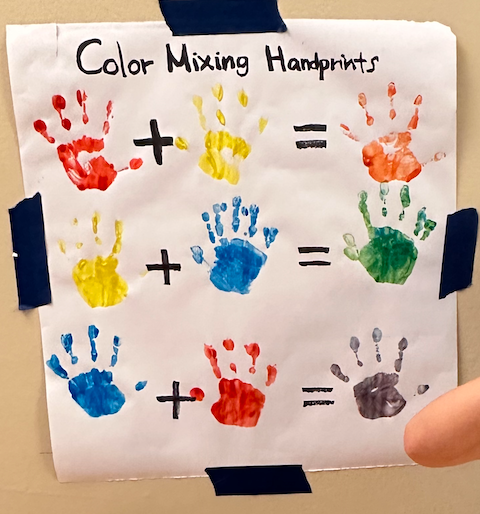
What happens when red and blue meet? Find out six ways.
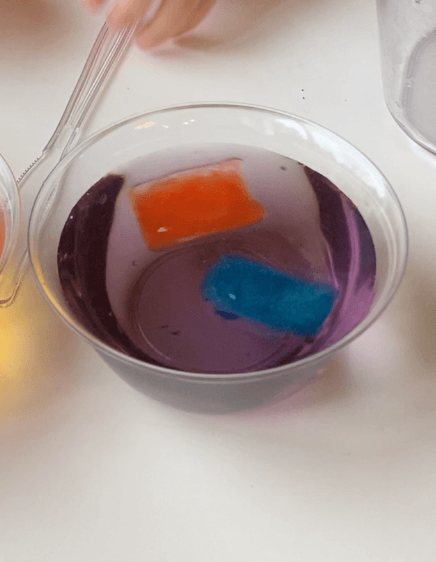
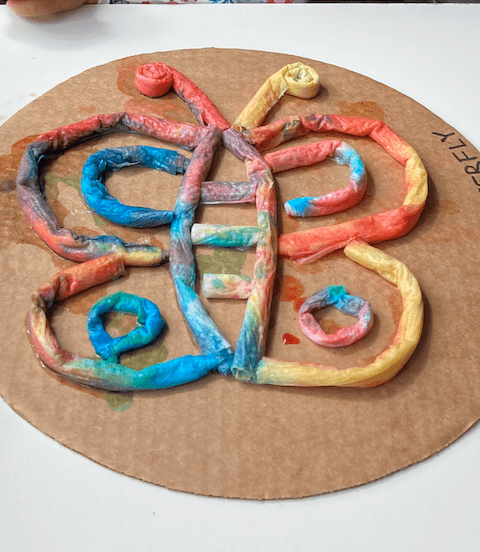
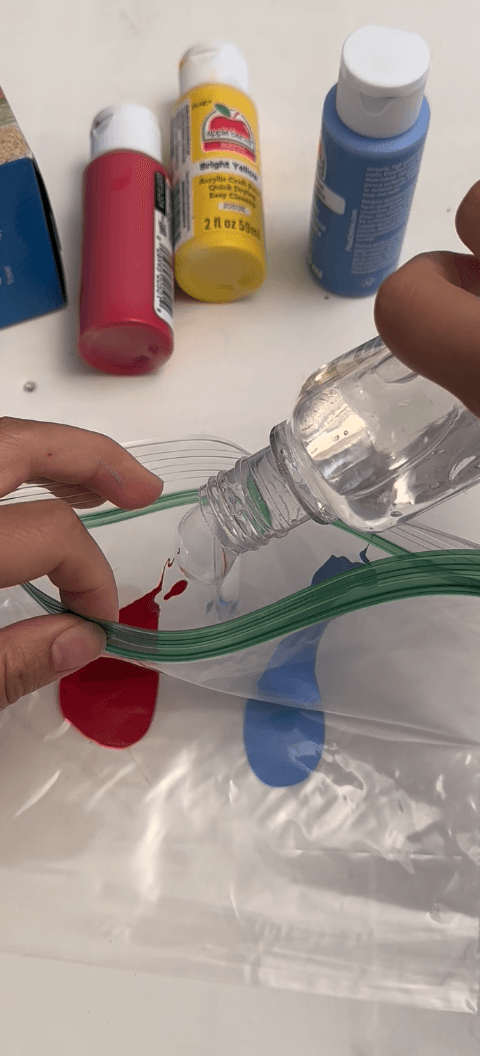
Six hands-on activities built around one question — what happens when you mix colors? From mess-free bags to ice cubes to paper towel absorption, each one approaches color science from a different angle and lands on a result kids want to show off.
In this collection
6 activities to get outside
Before you start
What you'll need
🍂
From outside
- ·Fallen leaves (various shapes)
- ·Small sticks and twigs
- ·A handful of rocks or pebbles
- ·Outdoor sand or dirt (for sand play)
- ·Wildflowers or grass stems
✂️
From your craft drawer
- ·Paper (white or coloured)
- ·Card stock or cardboard scraps
- ·White craft glue or glue stick
- ·Washable paint and brushes
- ·Googly eyes (optional)
- ·Markers or crayons
🧺
Handy extras
- ·A small basket or bag for collecting
- ·Newspaper or a tray for paint mess
- ·Scissors (adult-supervised)
- ·A damp cloth for sticky fingers
Common questions
Questions parents ask
What age is too young for color mixing?
The Mess Free Color Mixing Bag works from 18 months — paint is sealed inside a zip-lock bag, so there is nothing to spill or taste. Everything else suits ages 3 and up.
Which one teaches the most science?
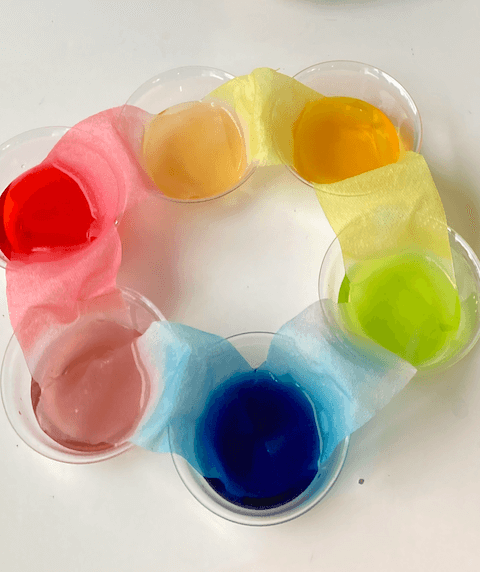
Paper Towel Rainbow shows capillary action and takes about an hour to fully develop. The color travels up the paper towel on its own, which older kids find genuinely surprising.
Do we need special paint?
Standard washable tempera paint works for all six. Food coloring works for the ice cube version and makes the color change more dramatic.
How do you explain color mixing to a 3-year-old?
You do not need to. Just ask "what do you think will happen?" before each mix. The wondering is the lesson — the explanation can wait until they are ready to ask.